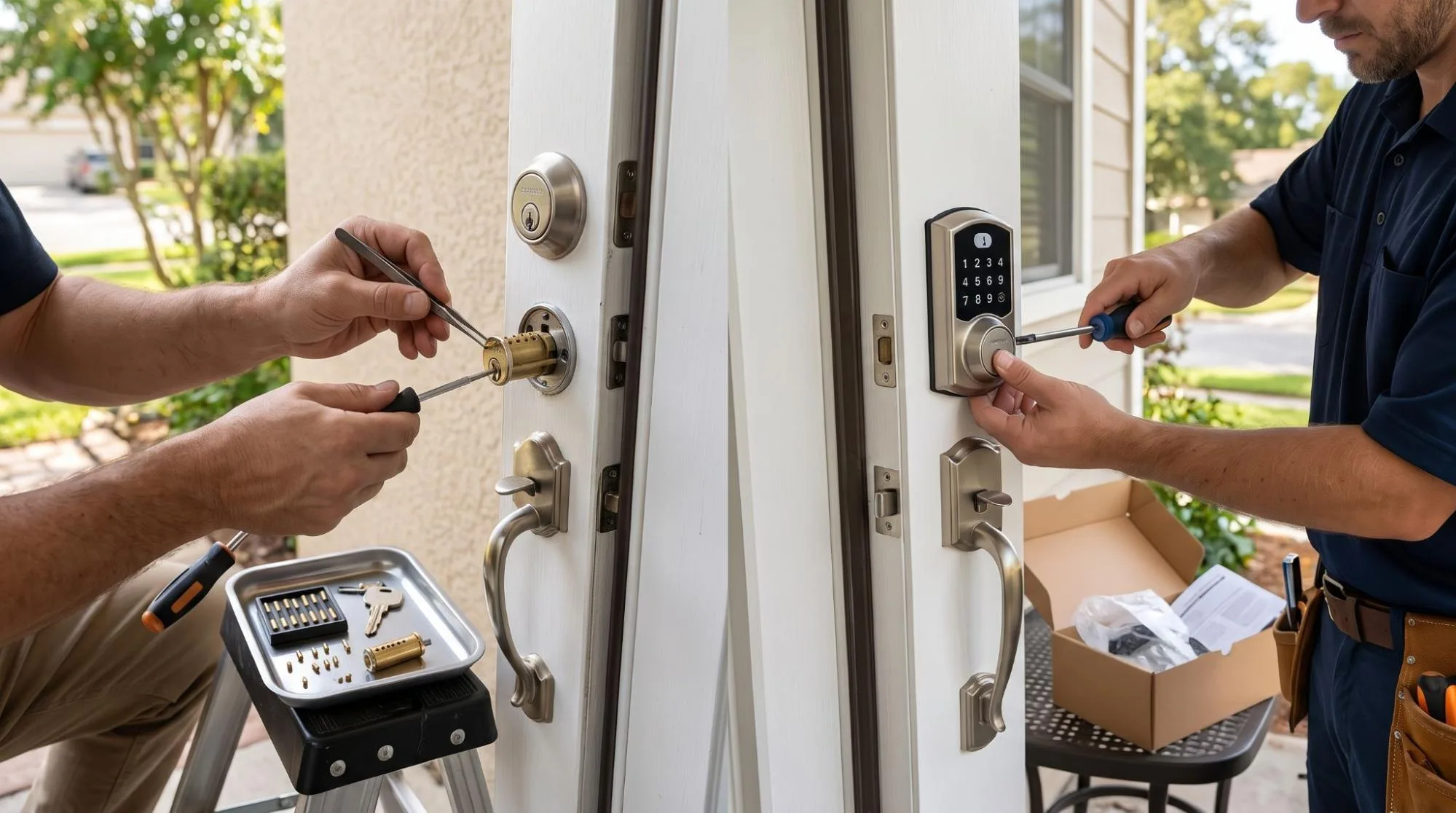
Moving into a new home, losing your keys, or experiencing a security concern can make you question whether you should rekey your existing locks or replace them completely. Both options help homeowners control access to their properties, but they involve different costs, processes, and benefits. Choosing the right residential locksmith service can help you avoid unnecessary expenses while maintaining reliable home security.
In many situations, rekeying is more affordable because it changes the internal key configuration without requiring new lock hardware. However, replacing locks may be a better investment when existing hardware is damaged, outdated, or no longer meets your security requirements. Understanding the difference between these two options is important before scheduling professional locksmith services.
If you are comparing rekey vs replace locks, this guide explains 2026 costs, security differences, hardware compatibility, and the situations where each option makes sense. It also explains how homeowners can choose between professional lock rekeying and residential lock replacement while keeping their home security needs and budget in mind.
Is It Cheaper to Rekey or Replace Locks?
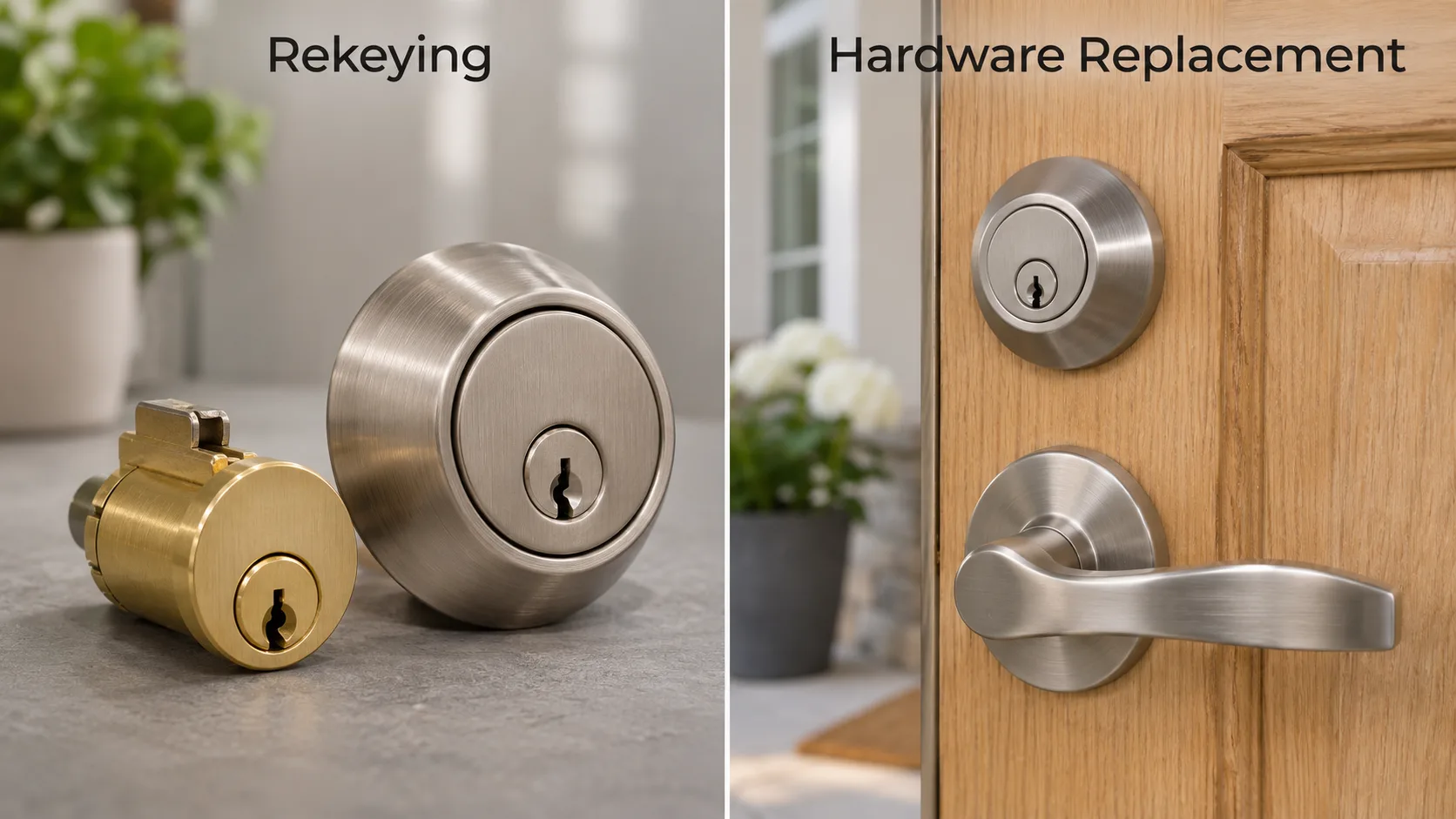
Yes, rekeying is generally cheaper than replacing locks when the existing hardware is in good working condition. The primary reason is that rekeying does not require purchasing an entirely new lock assembly. Instead, a locksmith changes the internal pins inside a compatible lock cylinder so the old key no longer operates it.
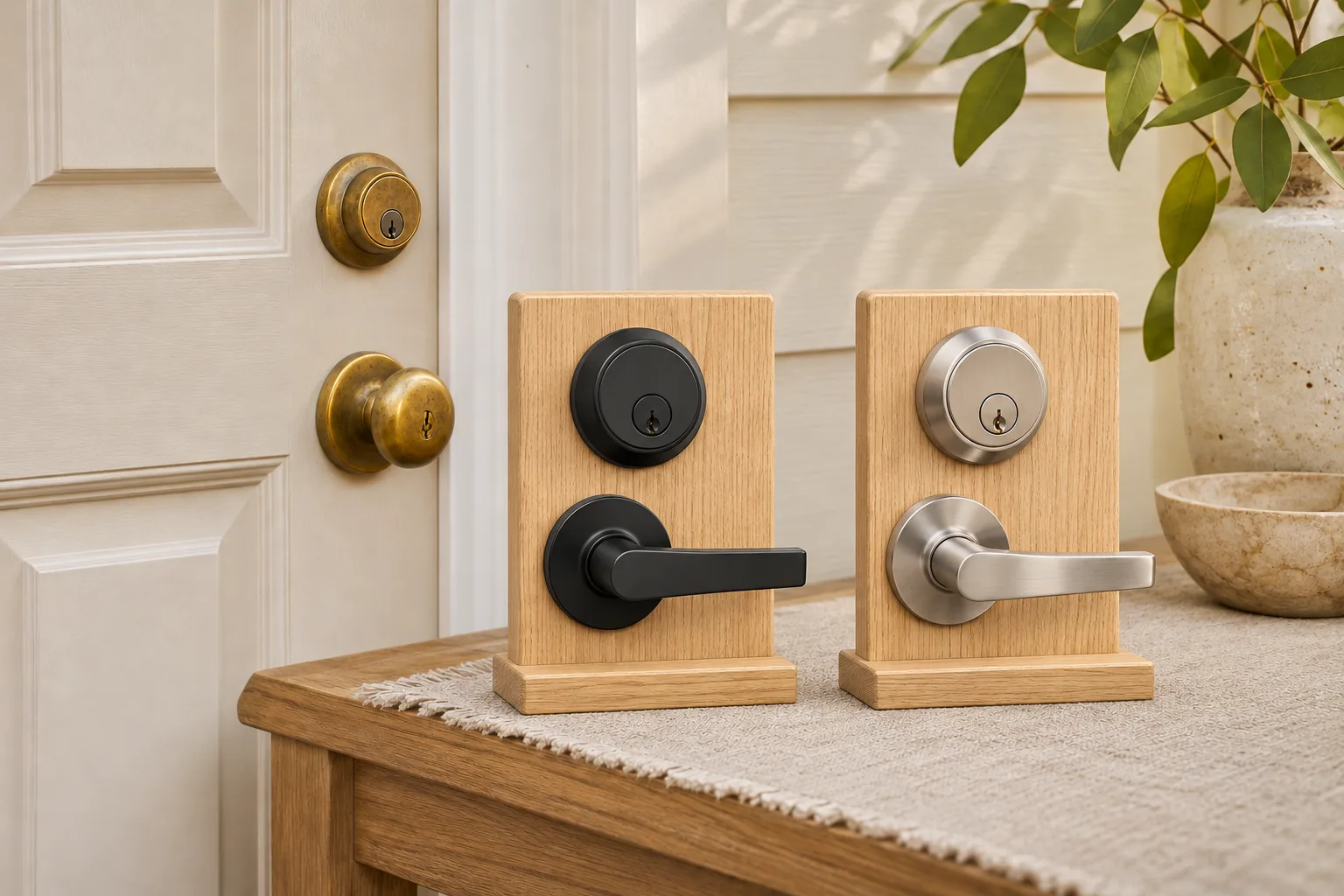
Lock replacement involves removing existing hardware and installing a new locking mechanism. This may include a new deadbolt, doorknob, cylinder, or complete lockset. Because replacement involves hardware expenses and installation labor, the total cost is often higher.
Homeowners who want to change access to their properties without purchasing new hardware can consider professional lock rekeying services. If the existing hardware is damaged or outdated, residential lock replacement services may be more appropriate.
Rekey vs. Replace Locks: Quick Cost Comparison
The following table reproduces preliminary U.S. budgeting estimates for 2026. These ranges have not been independently verified and are not Lock & Key Pros quotes. Actual costs depend on location, lock type, labor, hardware, and service requirements. Confirm current prices with an itemized local estimate before relying on these figures.
| Locksmith Service | Estimated Cost |
|---|---|
| Rekey one standard lock | $50-$130 |
| Rekey three locks | $95-$250 |
| Rekey five locks | $130-$300 |
| Whole-house rekeying | $130-$500+ |
| Replace one standard door lock | $60-$200 |
| Replace one standard deadbolt | $80-$225 |
| Replace one smart lock | $135-$450+ |
| Replace multiple household locks | $300-$2,000+ |
These figures are unverified budgeting estimates, not guaranteed service rates. Ask your locksmith whether the quote includes the service-call fee, labor, hardware, and additional keys.
For a more accurate comparison, homeowners can explore lock rekeying and lock replacement options before deciding which service fits their property.
When Rekeying Saves Money, and When It Doesn’t
Rekeying saves money when the existing locks work correctly but you want to prevent previously issued keys from operating them. This is common after purchasing a home, losing keys, changing tenants, or completing a renovation.
However, rekeying does not fix damaged cylinders, broken latches, loose hardware, or worn-out deadbolts. If a lock frequently sticks or does not operate reliably, replacement may provide better long-term value.
The best decision depends on whether your problem involves key access or the physical condition of the lock. A professional residential locksmith can inspect the existing hardware and explain whether rekeying or replacement is the more suitable option.
What’s the Difference Between Rekeying and Replacing Locks?
Rekeying and replacing locks are two different residential locksmith services. Both can help homeowners manage entry access, but they involve different changes to the existing locking system.
How Lock Rekeying Works
Lock rekeying changes the internal pin configuration of a compatible lock cylinder. The locksmith adjusts the pins or tumblers so that the lock operates with a new key rather than the previous one.
The existing hardware generally stays installed on the door. This means homeowners do not need to purchase a completely new deadbolt or doorknob simply to change their keys.
For example, when you purchase a property, previous owners, contractors, cleaners, and other individuals may still have copies of the old keys. Rekeying helps establish new key control by making those previous keys ineffective.
A professional locksmith can inspect the cylinder, identify the lock manufacturer, and determine whether the existing hardware can be rekeyed.
Homeowners looking for this service can learn more about professional lock rekeying.
Main advantages include:
- Lower hardware expenses.
- Keeping existing functional locks.
- Preventing old keys from operating compatible locks.
- Potentially configuring multiple locks to use one key.
- Avoiding unnecessary door hardware replacement.
- Maintaining the existing appearance of the door.
What Lock Replacement Involves
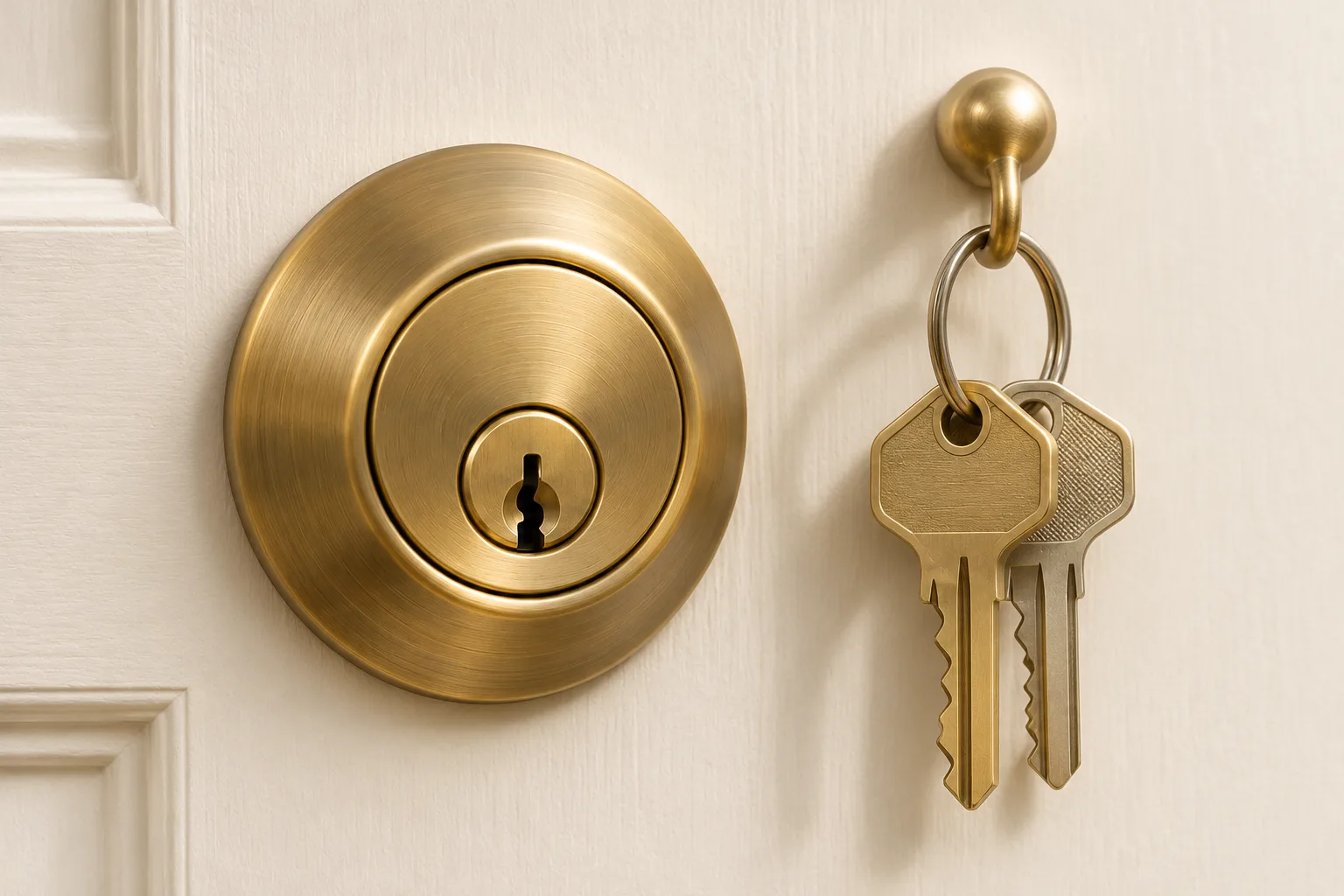
Lock replacement means removing existing locking hardware and installing a new lock or compatible replacement assembly.
Depending on the condition of the door and the selected product, replacement may involve a deadbolt, doorknob, lock cylinder, or complete lockset.
Homeowners often choose replacement when their existing locks are damaged, outdated, unreliable, or unsuitable for their security requirements.
Replacement also allows property owners to choose modern locking hardware, including high-security deadbolts and smart locks.
If you need to upgrade existing door hardware, explore residential lock replacement for information about professional installation options.
Rekeying vs. Replacing: Security Differences
Both services can contribute to better access control, but they do not provide exactly the same security benefits.
Rekeying changes which keys operate the existing lock. It is useful when previous keyholders should no longer have access.
Replacement changes the physical locking hardware. This may allow homeowners to install a stronger or more advanced locking system.
However, neither service automatically guarantees complete home security. The door frame, strike plate, deadbolt quality, and overall installation also influence the effectiveness of a residential locking system.
A professional residential locksmith service can help homeowners understand which improvements are appropriate for their existing doors.
How Much Does It Cost to Rekey Locks in 2026?
The cost to rekey locks depends on the number of cylinders, hardware type, service-call fees, labor, and additional key requirements.
For standard residential locks, general 2026 budgeting estimates are approximately $50-$130 per lock. However, the actual locksmith rekeying cost may differ depending on the local market and complexity of the job.
Cost to Rekey One Lock
Rekeying one standard residential lock may cost approximately $50-$130.
The final amount depends on:
- Lock manufacturer and cylinder design.
- Whether the original key is available.
- Condition of the existing hardware.
- Locksmith travel and service-call fees.
- Additional key cutting.
- Emergency or after-hours scheduling.
Standard pin-tumbler locks are generally straightforward to rekey when compatible. Specialized or high-security hardware may require additional components or professional expertise.
If you need to change the key access to one entry point, consider professional rekeying services before purchasing a completely new lock.
Cost to Rekey Three Locks
Rekeying three standard residential locks may cost approximately $95-$250.
For example, homeowners may want their front door, back door, and garage entry to operate with a new key.
If all three locks have compatible cylinders, a locksmith may be able to complete the work during one appointment. Shared service-call and setup expenses may reduce the average cost per lock.
Before scheduling, confirm whether the locks can be keyed alike and whether additional keys are included.
You can explore residential rekeying services when planning a multiple-lock project.
Whole-House Rekeying Cost
Whole-house rekeying may cost approximately $130-$500 or more, depending on the number of cylinders and the type of hardware installed.
A larger property with several exterior doors may require more work than a smaller home with only two or three keyed entry points.
Remember that one door can have both a keyed doorknob and a separate deadbolt. Therefore, the number of cylinders may be different from the number of doors.
Whole-house rekeying is often a practical option for new homeowners who want to establish new key control without replacing every locking mechanism.
Learn more about professional lock rekeying when comparing whole-house rekeying with complete hardware replacement.
How Much Does It Cost to Replace Locks in 2026?
Lock replacement generally costs more than rekeying because it involves purchasing new hardware in addition to installation labor.
The final cost depends on the type of lock, manufacturer, security features, and the amount of work required to install the new hardware.
Standard Door Lock and Deadbolt Replacement
Replacing a basic residential door lock may cost approximately $60-$200, while standard deadbolt replacement may fall around $80-$225.
The price depends on the selected hardware, door compatibility, and whether additional adjustments are necessary.
For example, replacing an older deadbolt with a compatible modern model may be relatively straightforward. However, changing the door preparation or modifying the existing hardware configuration can increase labor costs.
Homeowners planning this type of upgrade can explore residential lock replacement services.
High-Security and Smart Lock Replacement
High-security and smart locks generally cost more than standard mechanical locks.
High-security products may offer improved key control, specialized cylinders, and additional resistance features. Smart locks may include keypads, smartphone access, temporary access codes, and electronic locking functions.
Before selecting a new lock, check:
- Door thickness and hardware compatibility.
- Lock dimensions and installation requirements.
- Available key-control features.
- Electronic access and battery requirements.
- Manufacturer warranty and product grade.
If your existing hardware does not support the features you want, professional lock replacement may be the right option.
Whole-House Lock Replacement Cost
Replacing every exterior lock in a home can become a significant investment.
A complete project may cost approximately $300-$2,000 or more, depending on the number of doors, hardware quality, and installation complexity.
For example, a homeowner replacing several basic deadbolts may spend considerably less than someone installing premium high-security locks or electronic access systems throughout the property.
Before replacing all the hardware, compare the total estimate with the cost of rekeying existing locks. Functional locks may not need replacement simply because the homeowner wants new keys.
What Affects Rekeying and Lock Replacement Costs?
Several factors influence the final price of residential locksmith services. Understanding them can help homeowners compare estimates and avoid unexpected charges.
Number of Locks and Cylinders
The number of keyed cylinders is one of the most important pricing factors.
A property with two exterior deadbolts generally requires less work than a home with several doors containing separate keyed knobs and deadbolts.
Rekeying multiple compatible locks during one appointment may reduce the average cost per cylinder.
When requesting a lock rekeying estimate, explain how many doors and individual cylinders need service.
Service-Call Fees and Locksmith Labor
Some locksmiths charge a separate service-call fee, while others include travel and labor in the quoted amount.
Labor may vary depending on the complexity of the locking mechanism, the property’s location, and the time of the appointment.
Emergency and after-hours appointments may involve additional charges.
Before hiring a professional, compare the full price of available locksmith services rather than comparing only the advertised starting rate.
Hardware Type and Keyway Compatibility
Not every residential lock can be rekeyed in the same way.
Schlage, Kwikset, Yale, and Medeco products may use different cylinders, keyways, and keying systems.
Two locks from the same manufacturer may also have different configurations. Therefore, the brand name alone does not guarantee that multiple locks can use one key.
A locksmith can inspect the hardware and determine whether rekeying is possible or whether replacement is necessary.
Missing Keys, Additional Keys and Emergency Service
Losing your original key does not automatically mean that you must replace the entire lock.
A professional locksmith can assess whether the existing cylinder can be rekeyed without the original key.
Additional key cutting, specialized key blanks, and emergency appointments may increase the final cost.
If you have lost your keys, explain the lock type and circumstances when requesting residential locksmith assistance.
When Should You Rekey Your Locks Instead of Replacing Them?
Rekeying is often the better choice when your existing hardware works correctly but you want to change who can access your property.
After Moving Into a New Home
Purchasing a home is one of the most common reasons to rekey residential locks.
You may not know how many copies of the existing keys were distributed to previous owners, family members, contractors, cleaners, or property workers.
Rekeying compatible locks helps establish new key control without purchasing completely new hardware.
New homeowners can consider professional home lock rekeying before moving into their property.
After Losing Keys or Tenant Turnover
Lost or stolen keys can create concerns about unauthorized access.
If someone else may have access to a missing key, rekeying can prevent that key from operating compatible locks.
Rental property owners may also choose rekeying between tenants to establish new access control before a new occupant moves in.
Instead of automatically replacing every lock, consider residential rekeying services to determine whether existing hardware can be retained.
When Existing Hardware Works Properly
If your deadbolts, doorknobs, cylinders, and latches are in good condition, purchasing completely new hardware may be unnecessary.
Rekeying allows homeowners to keep their existing locking system while changing the keys that operate it.
This is especially useful when the primary concern is previous keyholders rather than mechanical damage.
For functional locks that only need new key access, professional lock rekeying may provide better value.
When Is Replacing Your Locks the Better Option?
Although rekeying is often more affordable, there are situations where replacing the locking hardware is the more appropriate decision.
Damaged, Worn or Unreliable Locks
A lock that frequently sticks, fails to turn, or does not latch correctly may have a mechanical problem.
Rekeying changes the key configuration but does not automatically repair damaged internal components.
Depending on the condition of the hardware, the locksmith may recommend repair or complete replacement.
For damaged residential locks, explore professional lock replacement to understand the available options.
Upgrading to High-Security Deadbolts
Homeowners with older or unsuitable hardware may benefit from upgrading to modern locking products.
When selecting new deadbolts, consider construction quality, key control, ANSI/BHMA security grades, and compatibility with your door.
A quality deadbolt is only one part of a home’s security system. The door frame, strike plate, and proper installation also matter.
If your existing locking system does not meet your requirements, residential lock replacement services may help you select suitable hardware.
Installing Smart or Keyless Locks
Homeowners who want keypad access, smartphone control, or electronic entry management may need to replace traditional locking hardware.
Smart locks can provide convenient access features, including temporary codes and electronic locking controls.
However, compatibility, battery maintenance, and connectivity should be considered before choosing a product.
If your current door hardware cannot support the desired features, compare residential lock replacement options before purchasing a smart lock.
Can You Rekey Different Locks to Use the Same Key?
Yes, several residential locks can sometimes be rekeyed to work with one key. However, the cylinders and keying systems must be compatible.
Keyway and Brand Compatibility
Locks generally need compatible cylinders and keyways to operate with the same key.
Some products from Schlage, Kwikset, Yale, and Medeco use different keyway configurations. Even locks from one manufacturer may not automatically be compatible.
A professional locksmith can inspect the existing cylinders and determine whether they can be configured for a single-key system.
If you want multiple entry doors to operate with one key, consider professional lock rekeying before purchasing new hardware.
When Replacement May Be Necessary
If existing locks have incompatible cylinders or keyways, replacement may be necessary to create a consistent single-key arrangement.
This is particularly relevant when a property has several different lock brands installed across exterior doors.
Before purchasing new hardware, ask whether your existing locks can be keyed alike. This simple compatibility check may prevent unnecessary replacement expenses.
If replacement is required, compare the available residential lock replacement services.
DIY Rekeying vs. Professional Locksmith Service
Some homeowners consider DIY rekeying to reduce expenses. However, the right option depends on the lock manufacturer, product design, and the homeowner’s experience.
DIY Costs and Limitations
DIY rekeying kits are available for certain compatible lock models.
They may cost less than professional service, but they are not universal. Homeowners must verify that the kit matches the exact lock model and follow the manufacturer’s instructions.
Incorrect components or assembly may affect how the locking mechanism operates.
Manufacturer warranty conditions should also be reviewed before attempting any modifications.
When to Hire a Locksmith
Professional service is a better option when:
- Several locks need to operate with one key.
- The original key is missing.
- The lock uses specialized hardware.
- A cylinder is worn or malfunctioning.
- Multiple exterior doors need service.
- You need whole-house rekeying.
- You are unsure whether replacement is necessary.
A qualified locksmith can inspect the existing hardware, explain the available options, and provide a project estimate.
Homeowners can explore professional locksmith services when they need assistance choosing between rekeying and replacement.
How to Get an Accurate Rekeying or Replacement Quote
Getting a clear estimate before scheduling service can help homeowners avoid unexpected expenses.
Information to Provide Before Booking
When contacting a locksmith, explain:
- How many doors need service.
- How many keyed cylinders are installed.
- Whether you want rekeying or replacement.
- Whether the original keys are available.
- The lock brands or types, if known.
- Whether multiple locks should use one key.
- Whether the request is urgent or can be scheduled.
Providing this information helps the locksmith understand the project before arriving.
If you need help identifying the appropriate service, review the available residential locksmith solutions.
Questions to Ask About Fees and Hardware
Before approving any work, ask:
- Does the estimate include the service-call fee?
- Is labor included?
- Are additional keys included?
- Can the existing locks be rekeyed?
- Is replacement hardware included?
- Are emergency charges applicable?
- Will the final price be confirmed before work begins?
For homeowners comparing professional services, reviewing lock rekeying and lock replacement can help clarify which service is appropriate.
Rekey or Replace? Get Help From Lock & Key Pros
Choosing between rekeying and replacement depends on your existing hardware, security concerns, and budget. If your locks work properly but you want to prevent old keys from operating them, rekeying may be the more affordable solution. If your hardware is damaged, outdated, or unsuitable, replacement may provide better long-term value.
Lock & Key Pros provides residential locksmith solutions for homeowners in its verified service areas. Homeowners in Tarzana, Encino, Sherman Oaks, Woodland Hills, Van Nuys, and North Hollywood should confirm availability for their specific location.
Whether you need to change access to your home, rekey multiple locks, or install new locking hardware, the right service starts with an assessment of your existing locks.
Explore our complete range of professional locksmith services, learn more about residential lock rekeying, or review residential lock replacement.
Contact Lock & Key Pros to discuss your lock concerns, confirm service availability, and request an estimate before approving the work.
Frequently Asked Questions
1. Is rekeying always cheaper than replacing locks?
No. Rekeying is generally cheaper when existing locks are functional and compatible. However, damaged or outdated hardware may require replacement, making a new lock a better long-term investment.
2. How much does it cost to rekey three locks?
As an unverified 2026 budgeting estimate, rekeying three standard residential locks may cost approximately $95-$250. The final amount depends on service fees, lock compatibility, and labor. You can request a quote for professional lock rekeying.
3. Should I rekey or replace locks after buying a house?
If your existing locks are in good condition, rekeying is usually a cost-effective way to prevent old keys from working. Replacement is more appropriate when the hardware is damaged or you want to upgrade your locking system.
4. Can a locksmith rekey a lock without the original key?
Yes, in many cases. A professional locksmith can assess the cylinder and determine whether it can be rekeyed without the original key. The available options depend on the lock type and condition.
5. Can different lock brands use the same key?
Sometimes, but brand compatibility alone is not enough. The cylinders, keyway, and keying system must be compatible. A locksmith can inspect the hardware and confirm whether the locks can be keyed alike.
6. Does rekeying improve security?
Rekeying improves key control by making previously issued keys ineffective. However, it does not upgrade the physical strength or security rating of the existing lock.
7. How long does rekeying take?
A standard residential rekeying appointment may take approximately 10-20 minutes per compatible lock. The complete appointment may take longer depending on the number of locks, hardware condition, and keying requirements.
8. Can a damaged lock be rekeyed?
A damaged lock may not be suitable for rekeying. If internal components are worn, broken, or unreliable, repair or replacement may be necessary. You can explore residential lock replacement if the hardware needs an upgrade.
- #rekey vs replace locks
- #lock rekeying cost 2026
- #lock replacement cost
- #rekeying house locks
- #residential locksmith services
- #home lock security
- #rekeying vs changing locks