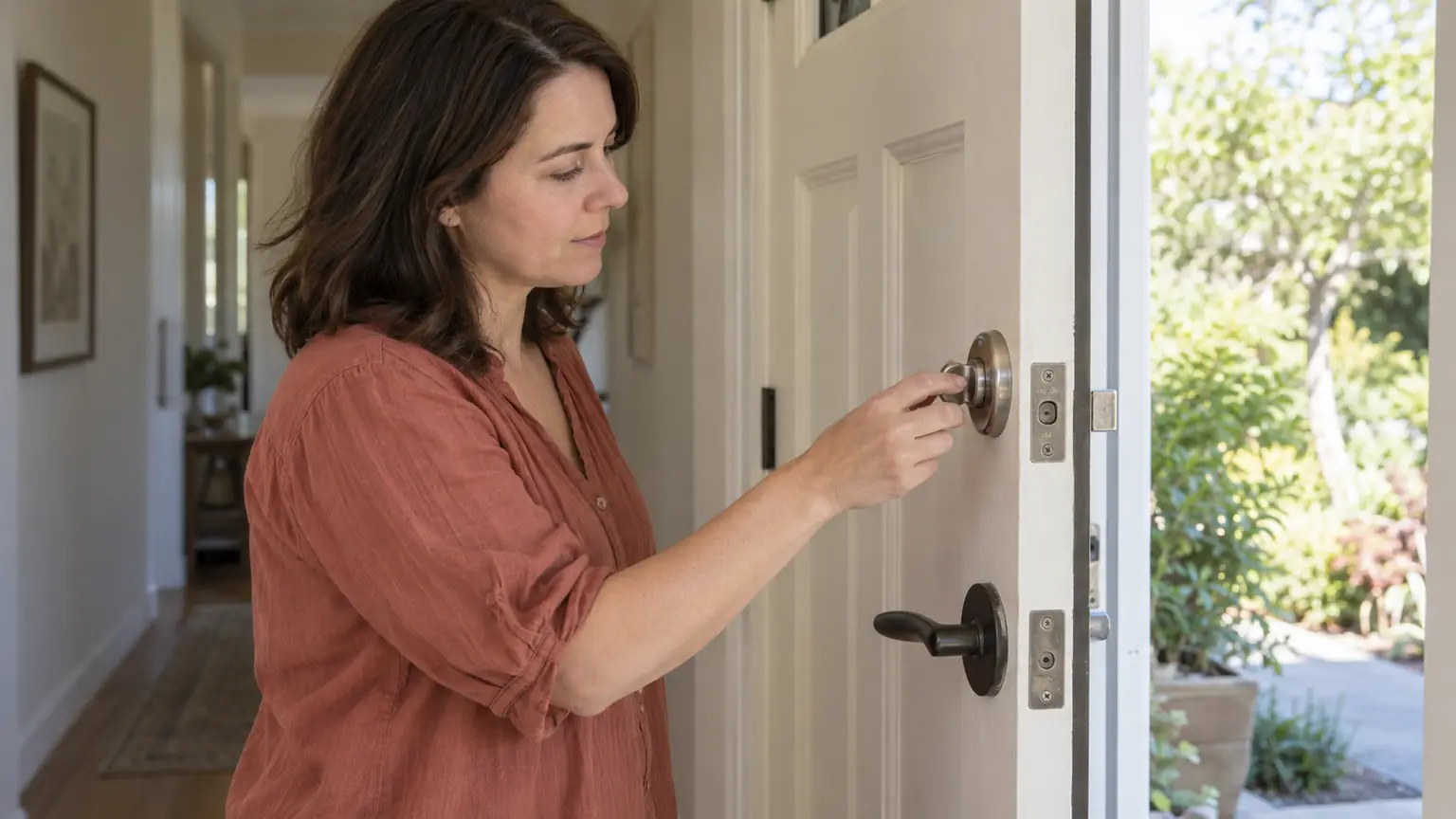
Your front door locked perfectly last month. Now the key needs a little wiggle, the deadbolt catches against the frame, and you sometimes have to pull the handle to make everything line up.
It’s tempting to ignore these small annoyances. After all, the door still locks.
But a lock that works only after repeated adjustments may be giving you an early warning.
Common signs a door lock is failing include difficulty turning the key, a sticking deadbolt, loose hardware, inconsistent latching, unusual resistance, and visible damage. These symptoms can come from worn lock components, a damaged key, or a door that has shifted out of alignment.
Not every problem requires a new lock. Some can be corrected through adjustment or professional repair. Others indicate that the hardware can no longer secure the door reliably.
Recognizing the difference before the mechanism jams can save you from an inconvenient lockout.
Nine Warning Signs Your Door Lock Needs Attention
1. Your Key Has Become Difficult to Turn
A properly functioning keyed lock should operate without excessive force.
If you regularly twist, wiggle, or reposition the key before it turns, something isn’t working as intended.
Possible causes include a worn key, debris inside the cylinder, damaged internal components, or pressure from misaligned door hardware.
Pay attention to whether the problem occurs with every key or only one.
If a spare key works smoothly while your everyday key struggles, the key itself may be worn.
If both keys encounter resistance, the cylinder or door alignment deserves closer examination.
Don’t force the key. Excessive twisting can damage the mechanism or cause the key to break inside.
2. The Deadbolt Sticks When You Lock the Door
A deadbolt should extend and retract smoothly when the door is properly positioned.
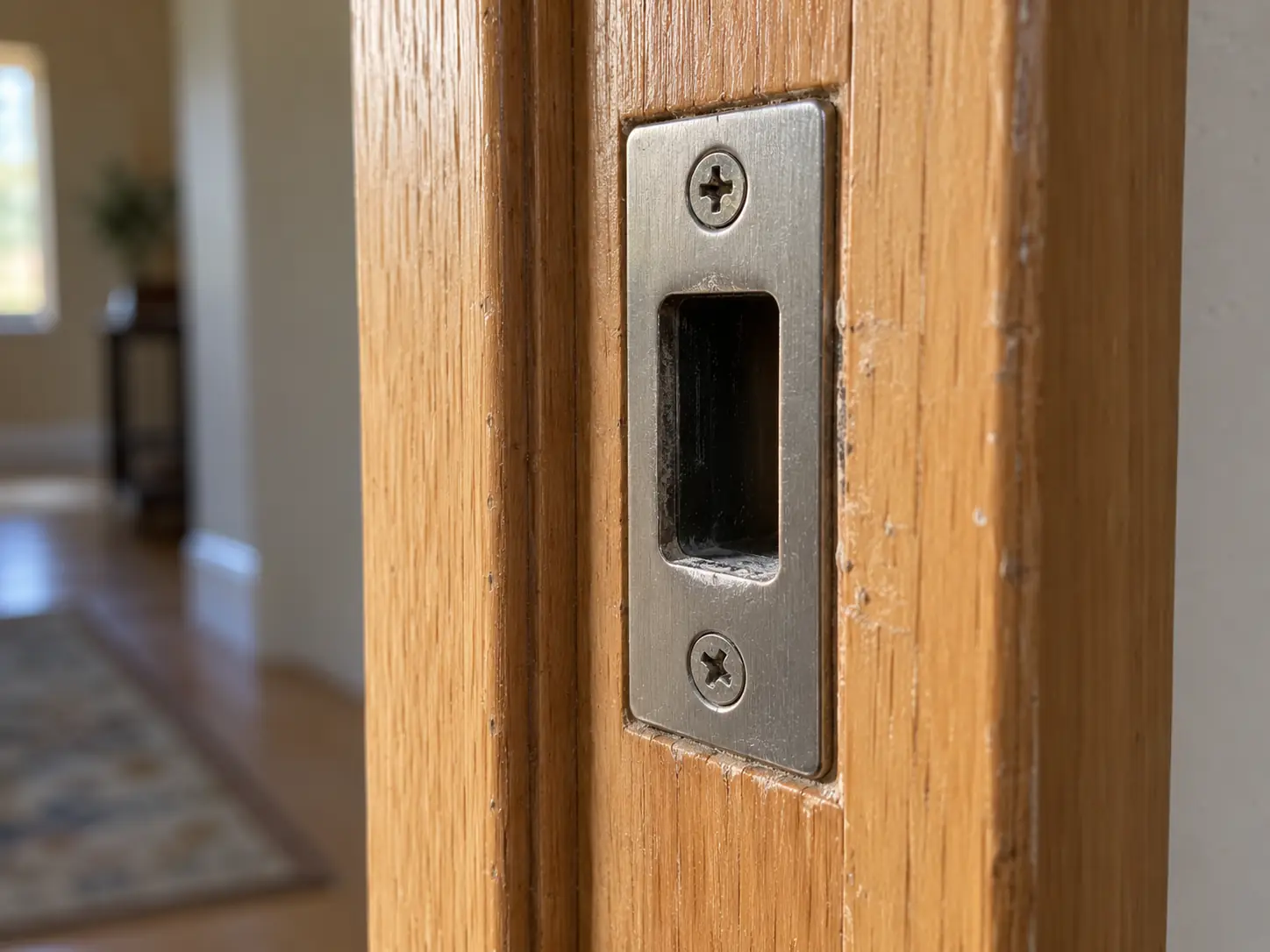
If you need to lift the handle, push the door inward, or pull it toward you before the bolt moves, the door and strike opening may be misaligned.
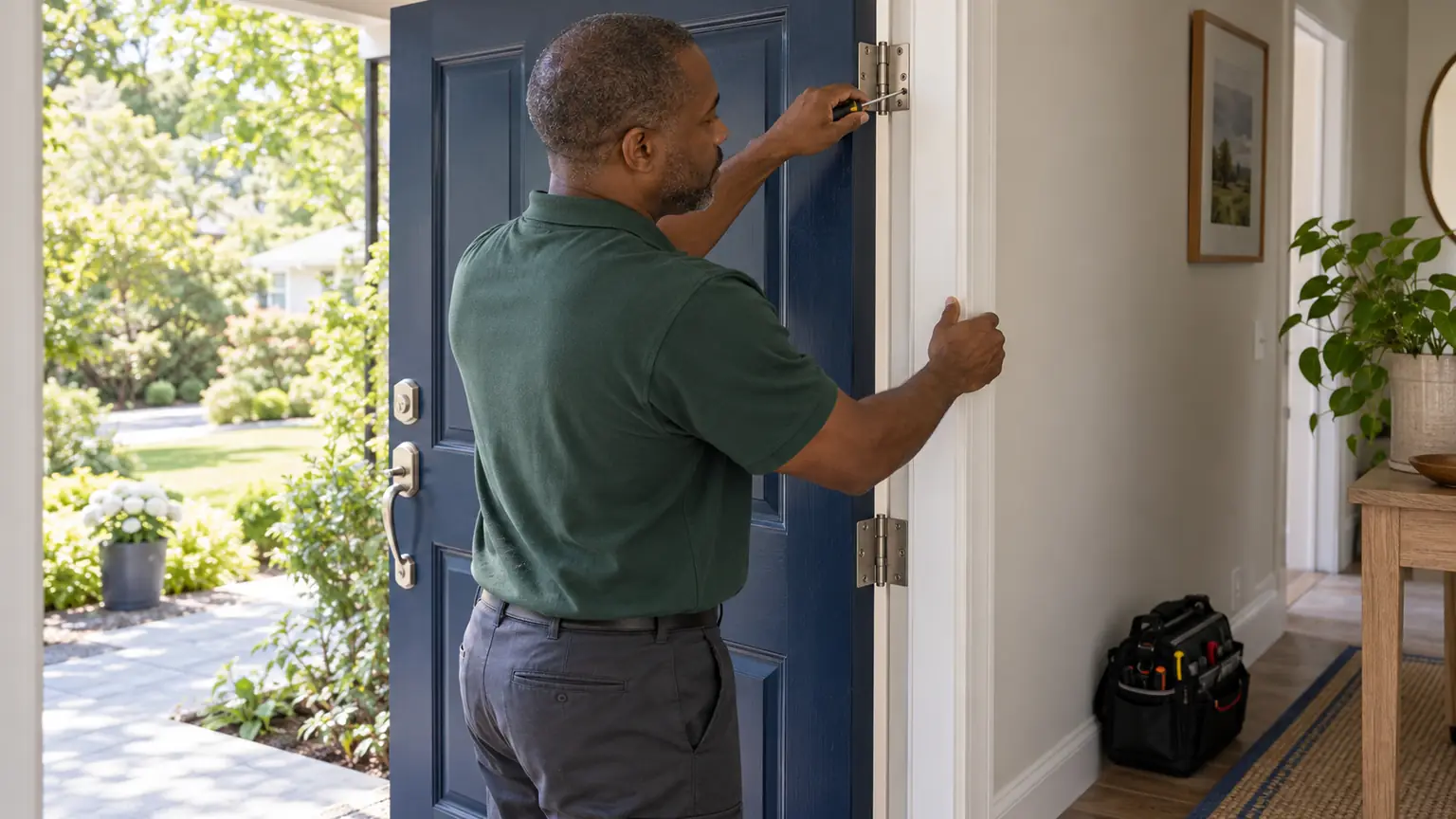
Wood doors and frames can change slightly with moisture and temperature. Hinges can loosen, and normal building movement can affect alignment.
The lock itself may still be functional.
However, repeated pressure on the bolt can create additional wear.
A useful observation is whether the deadbolt operates smoothly while the door is open but binds when the door is closed.
That difference suggests the door or strike alignment may be contributing to the problem.
3. The Lock Feels Loose or Moves When Used
A doorknob, lever, deadbolt thumbturn, or exterior cylinder shouldn’t shift noticeably during normal operation.
Loose hardware may result from mounting fasteners, worn components, or damage around the door preparation.
You might notice the entire lock assembly moving when you insert the key.
Sometimes the handle feels unstable even though the latch still engages.
This condition deserves attention because loose hardware can affect how the lock operates and how securely it remains attached.
Don’t assume tightening a visible screw will solve every problem.
If the door material is damaged or internal components are worn, the underlying issue may require professional repair.
4. The Door Doesn’t Latch Consistently
A door that appears closed isn’t necessarily secured.
If the latch fails to engage the strike plate, the door may swing open or remain vulnerable to being pushed.
You might hear the latch click sometimes but not others.
The problem may involve a misaligned strike, a sagging door, a sticking latch, or a weakened internal spring.
Check whether the latch moves freely when the door is open.
Then observe whether the door closes naturally without needing to be lifted or slammed.
Repeatedly slamming the door is not a repair. It can worsen damage to the frame, hinges, and hardware.
5. The Key Gets Stuck During Removal
A key that doesn’t slide out normally can indicate trouble inside the cylinder.
You may need to turn it back and forth several times to find the removal position.
Sometimes the key catches because it is bent or worn.
In other cases, the cylinder components may be damaged or obstructed.
If the key becomes stuck, avoid pulling aggressively or using improvised tools.
A broken key fragment can create a more complicated problem and may prevent you from securing or opening the door.
When the key repeatedly catches, arrange an inspection before it becomes trapped completely.
6. You Hear Grinding, Scraping, or Unusual Clicking
Door locks make normal operating sounds, but a new grinding or scraping sensation deserves attention.
A bolt rubbing against the strike opening may create a metallic scraping sound.
Damaged internal parts may also produce inconsistent clicks or rough movement.
The sound alone cannot identify the defective component.
Its value comes from when it occurs.
Does the noise happen while turning the key with the door open, or only when locking the closed door?
That distinction can help separate an internal mechanism problem from alignment interference.
If the lock suddenly becomes noisy and difficult to operate, don’t continue forcing it.
7. The Lock Works Sometimes but Fails at Other Times
Intermittent problems are easy to dismiss because the lock eventually cooperates.
Perhaps the front door unlocks normally in the morning but becomes difficult at night.
Or the deadbolt works after several attempts, then behaves normally again.
Inconsistent operation can result from changing door alignment, worn components, or a developing mechanical fault.
A lock doesn’t have to fail completely to be unreliable.
When the same symptom keeps returning, treat it as a maintenance issue rather than waiting for a permanent jam.
Write down when the problem occurs and whether temperature, weather, or door position seems to affect it.
8. You Can See Rust, Cracks, or Physical Damage
Visible damage is another reason to inspect a door lock.
Corrosion around the cylinder, cracked trim, a bent latch, or damaged mounting hardware can affect reliability.
Outdoor locks are exposed to moisture, dust, and changing temperatures.
Some surface discoloration is cosmetic, but extensive corrosion or deteriorating components can interfere with operation.
Damage following an attempted break-in deserves particular attention.
The lock might still turn while the strike plate, frame, or surrounding door material has been compromised.
In those circumstances, evaluating only the cylinder is insufficient.
The complete locking area should be assessed before the entrance is considered secure.
9. The Door Locks but Doesn’t Feel Secure
One of the more concerning symptoms is a lock that appears to engage without reliably holding the door closed.
You might turn the thumbturn and hear a click, yet the bolt doesn’t extend fully.
A latch may catch only at the edge of the strike opening.
Or the handle may operate even when you expect the locking mechanism to prevent it.
Some lock designs intentionally allow inside egress while locked, so handle movement alone doesn’t prove failure.
The important question is whether the hardware performs its intended security function.
If you cannot confidently secure an exterior door, seek qualified assistance promptly.
A Simple Test: Is the Problem the Lock or the Door?
Before assuming the cylinder is failing, compare operation with the door open and closed.
With the door open, gently turn the key or thumbturn and observe the latch or deadbolt.
The mechanism should move without unusual resistance.
Next, close the door normally and check whether the same operation becomes difficult.
If it works smoothly when open but binds when closed, alignment may be involved.
If resistance occurs in both positions, the lock mechanism or key may need closer inspection.
Only perform these checks when you can keep the entrance accessible and secure.
Don’t dismantle a lock on your only usable exit or test it in a way that could trap someone inside.
This observation isn’t a complete diagnosis, but it gives a locksmith useful information.
What Your Lock’s Symptoms May Mean
| Symptom | Possible explanation | Sensible next step |
|---|---|---|
| Key difficult to turn | Worn key, cylinder issue, or misalignment | Compare with a spare key |
| Deadbolt binds when door closes | Strike or door alignment | Check open-door operation |
| Loose knob or cylinder | Mounting or hardware wear | Arrange hardware inspection |
| Door won’t latch consistently | Latch, hinges, or strike problem | Check natural door closure |
| Key catches during removal | Key wear or cylinder problem | Avoid forcing the key |
| Grinding during locking | Bolt interference or internal wear | Identify when noise occurs |
| Visible corrosion or damage | Environmental exposure or impact | Assess hardware condition |
| Bolt doesn’t secure the door | Mechanical or alignment failure | Prioritize professional service |
These symptoms indicate possibilities, not confirmed diagnoses.
Should You Lubricate a Sticking Door Lock?
Lubrication can sometimes help a suitable mechanical lock operate smoothly, but using the wrong product can create additional problems.
Different lock manufacturers specify different maintenance products and procedures.
Some recommend particular dry lubricants or other approved formulations.
Avoid pouring household oil into the cylinder or applying an unknown spray simply because the key feels stiff.
Products that leave residue may attract debris or be incompatible with certain lock components.
Check the manufacturer’s maintenance instructions first.
If the lock is damaged, misaligned, or internally worn, lubrication won’t correct the underlying problem.
A lock that repeatedly jams after maintenance should be evaluated rather than treated with more product.
When Repair Makes Sense and When Replacement Is Safer
A failing lock doesn’t automatically mean every component must be replaced.
Repair may be appropriate when the hardware is otherwise sound and the problem involves a serviceable cylinder, latch, mounting component, or door alignment.
For example, a properly functioning deadbolt that binds against a shifted strike may need adjustment rather than replacement.
However, badly worn or damaged hardware may no longer be dependable.
Replacement becomes more appropriate when the lock cannot be restored to reliable operation, has been compromised by forced entry, or is unsuitable for the door.
Rekeying serves a different purpose.
It changes which keys operate a compatible lock but doesn’t fix a defective latch, damaged cylinder, or misaligned door.
Lock & Key Pros offers both lock repair and lock replacement, depending on the condition of the hardware.
What If Your Lock Is Already Jammed?
If the key won’t turn or the door won’t open, avoid escalating the problem through force.
Don’t repeatedly slam the door, strike the cylinder, or attempt destructive opening methods.
These actions can damage the lock, frame, or door and make the eventual repair more involved.
If you’re outside, check whether another normal, authorized entrance is available.
If the property cannot be secured, treat the situation as more urgent.
Lock & Key Pros provides emergency locksmith services for supported residential access and security problems.
If anyone is trapped inside and there is immediate danger, contact emergency services rather than waiting for routine locksmith assistance.
How to Prevent an Unexpected Door Lock Failure
A short inspection can help catch developing problems.
Periodically check whether the door closes without being lifted, pushed, or slammed.
Pay attention to changes in key resistance and whether the latch engages consistently.
Keep keys in good condition, and replace noticeably bent or damaged copies before they break.
Avoid hanging heavy objects from keys while they remain in a lock.
Follow the manufacturer’s cleaning and maintenance instructions.
If a problem returns after an adjustment, have the door and hardware assessed together.
These habits won’t eliminate every failure, but they can help identify warning signs before the entrance becomes unusable.
Frequently Asked Questions
How do I know if my front door lock is going bad?
Common warning signs include sticking keys, loose hardware, difficult deadbolt movement, inconsistent latching, unusual resistance, and visible damage.
Can a door lock suddenly stop working?
Yes. A component can break or jam unexpectedly, although some locks develop noticeable symptoms before complete failure.
Why does my deadbolt work when the door is open but not closed?
The bolt may be contacting a misaligned strike opening because of door movement, loose hinges, or frame alignment.
Is it better to repair or replace a sticking lock?
That depends on the cause and hardware condition. A serviceable alignment problem may be repairable, while severely worn or damaged hardware may need replacement.
Will rekeying fix a lock that’s hard to turn?
Not necessarily. Rekeying changes key authorization within a compatible lock; it doesn’t automatically correct mechanical wear or alignment problems.
Don’t Wait Until Your Front Door Stops Working
A sticking key or stubborn deadbolt may seem like a minor inconvenience today.
But repeated resistance, loose hardware, and inconsistent latching deserve attention because your entrance needs to work reliably every time.
The most effective solution starts with identifying whether the problem involves the key, the lock mechanism, or the door itself.
Lock & Key Pros helps homeowners evaluate supported lock problems and determine whether repair or replacement is appropriate.
Visit the Lock & Key Pros lock repair page to describe your symptoms and request the appropriate locksmith service before a small problem becomes a lockout.
- #lock repair
- #deadbolts
- #lockouts